
 USD (US$)
 AUD (AU$)
 CAD (CA$)
 EUR (€)
 GBP (£)
 JPY (¥)
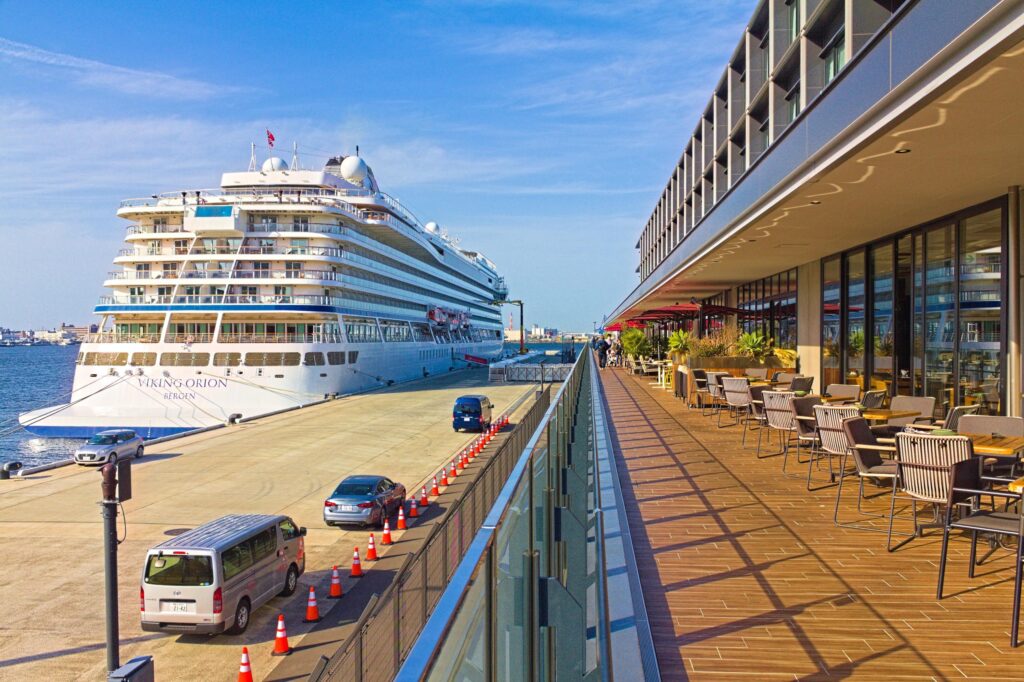
Japan shore excursions are essentially simple, efficient guided day trips for cruise passengers. In Japan, however, the experience depends less on where you visit and more on how the day is structured in port. Cruise schedules are tight, and factors like travel time and pacing can significantly impact the overall journey.
As operators working with shore excursions every day, we see clear patterns in the design of these itineraries. This guide breaks down those main types, from city-based and scenic routes to close-to-port and cultural adventures. This way, you can better understand what kind of day each one really offers before you book.
Different Types of Japan Shore Excursions
When you look at how these Japan tours actually run, Japan shore excursions tend to fall into a few key categories. Here’s a simple explanation of how each one is different:
City-Based Excursions

City-based excursions take travelers through the best cities to visit in Japan, making the most of the time available in port. In practice, these excursions balance multiple areas within a fixed cruise window, requiring careful coordination throughout the day. For many travelers, this becomes the most complete “first impression” of the country.
This is most apparent in itineraries such as Tourist Japan’s Private Tokyo Shore Excursion from Yokohama Port, Private Kyoto & Nara Shore Excursion from Kobe Port, and Private Osaka Shore Excursion from Kobe Port. Each of these tours is led by a knowledgeable local guide, who plays a much bigger role than most people expect. With a compressed cruise schedule, the guide keeps the day on track by adjusting timing, preventing the tour from feeling rushed. In a single day, you’ll move between:
- Modern urban districts such as Shibuya, with buzzing city energy
- Historic areas with temples, traditional streets, and quieter surroundings
- Cultural sites that add variety to your route, including the serene Kinkaku-Ji Temple
Scenic & Nature Focused Adventures

Some of the best shore excursions in Japan have very little to do with cities at all. Instead, these excursions follow the journey itself, with longer stretches of travel that turn the landscape into part of the adventure. Tourist Japan’s Private Mount Fuji Shore Excursion from Shimizu Port, one of the best tours from Shizuoka, and Private Hakone, Mount Fuji & Lake Ashi Shore Excursion from Yokohama Port are examples of this kind of outing. On these scenic routes, you’ll encounter:
- Open stretches of beautiful countryside between destinations
- Wide views of magnificent mountains, lakes, and valleys that define the Hakone region
- Clear, breathtaking sightings of Mount Fuji, depending on visibility (popular for those planning a Japan honeymoon)
Here again, the guide’s role is extremely important. This is because conditions around Mount Fuji can change quickly. When you have a skilled guide, they know when to adjust stops and timing to improve chances of seeing the mountain.
Close-To-Port Excursions

Not every cruise day in Japan is about covering distance. Some itineraries stay close to port, creating a slower pace and less time in transit. To experience this yourself, join Tourist Japan’s Private Kobe Shore Excursion from Kobe Port, Private Yokohama Shore Excursion from Yokohama Port, or Private Kamakura Shore Excursion from Yokohama Port.
From a logistical standpoint, shorter travel distances allow for more flexibility, with less time spent in transit. Since these tours are closer to the port, there’s more freedom to actually appreciate each location. This is because you don’t waste valuable vacation time traveling between places. Additionally, there’s an overall calmer pace from start to finish, perfect for travelers who want a comfortable day in Japan without the feeling of being constantly on the move.
Cultural & Historical Explorations

Unlike city-based itineraries that feature multiple districts in one day, these excursions take a more focused approach. They prioritize fewer destinations and spend more time at each one. Therefore, travelers can explore each treasure’s meaning much more deeply. Tourist Japan’s Private Himeji Shore Excursion from Kobe Port and Private Himeji & Kobe Shore Excursion from Kobe Port are ideal Japan private shore excursions for this travel style.
What tends to stand out about these particular excursions is that:
- Tours dedicate more time to each attraction
- There’s a stronger focus on history and context
- Your expert local guide provides fascinating stories behind each site, helping you understand the significance of what you are seeing
Together, these aspects create a much more immersive experience. Instead of rushing between locations, you have time to actually take in the details that give each place its character.
Which Japan Shore Excursion Should You Choose?

When choosing a Japan shore excursion, think about the limited time you have in port. Each of these itineraries shows a different way to discover the best things to do in Japan, depending on the kind of adventure you’re looking for once you step off the ship:
- If you want variety and contrast in one day → city-based excursions give you a mix of modern districts, cultural landmarks, and historical areas
- If you’re drawn to scenery, especially Mount Fuji → scenic routes through Hakone and the surrounding regions highlight more of the journey and open landscapes along the way
- If you prefer a slower, easier pace → close-to-port excursions reduce travel time and keep the day more relaxed and straightforward
- If you’re interested in history and depth → Himeji-focused itineraries allow more time in fewer places, creating a more grounded and immersive day trip
FAQs About Japan Shore Excursions
Below are some of the most common questions about choosing between the top experiences in Japan during a cruise:
What Is the Best Japan Shore Excursion for First-Time Cruise Visitors?
City-based excursions, such as Tokyo from Yokohama Port or Kyoto and Nara from Kobe Port, are usually best for first-time visitors because they offer a broad overview of Japan in one day.
How Much Time Do You Need for Shore Excursions in Japan?
Most Japan cruise shore excursions are structured around the ship’s port schedule. They typically grant most of the day to explore the destination between morning arrival and late afternoon or evening return.
Is Mount Fuji Always Visible on Shore Excursions?
Not always, since visibility depends on weather conditions. Scenic itineraries around Mount Fuji and Hakone are designed to maximize the chance of viewing, but it’s not always guaranteed. That’s why it’s best to have a tour guide who understands local conditions and can adjust the route to maximize the chance of seeing Mount Fuji.
Are Closer-To-Port Excursions Less Interesting?
Not necessarily. Places like Kobe, Yokohama, and Kamakura are home to cultural sites that reflect Japan’s intriguing history. There’s less travel time in between attractions, which can make the day feel more leisurely and immersive.
What are the Major Differences Between Excursions?
The major difference between excursions is not necessarily the specific landmarks, but how the itinerary is arranged, including travel time, pacing, and the number of stops within the cruise schedule.
Turn Your Short Port Stop Into a Memorable Day Ashore in Japan

With limited time ashore, how your shore excursion is structured plays a key role in your vacation to Japan. The way your day is planned ultimately determines how much you see and experience across the country. Before you travel, check out these helpful Japan travel resources to get a clearer sense of the destinations you’ll be visiting and what each site is really like once you’re there.
For anyone preparing a cruise through Japan, it’s worth joining Tourist Japan shore excursions and multi-day pre/post Japan cruise tour packages. Whether you’re enjoying an adventurous day across multiple cities, a scenic route around Mount Fuji, an easygoing stop close to port, or a deeper cultural visit to places like Himeji, each itinerary is designed to make your brief time in port feel more organized, relaxed, and worthwhile.


