
 USD (US$)
 AUD (AU$)
 CAD (CA$)
 EUR (€)
 GBP (£)
 JPY (¥)
Each morning, thousands of visitors flock to Tsukiji Market in Tokyo. It may sound like an ordinary market on paper, but this market is truly one of a kind. Tsukiji Market just happens to be the largest fish market in the world, where tourists and wholesalers gather together to view 23 hectares worth of fish and seafood.
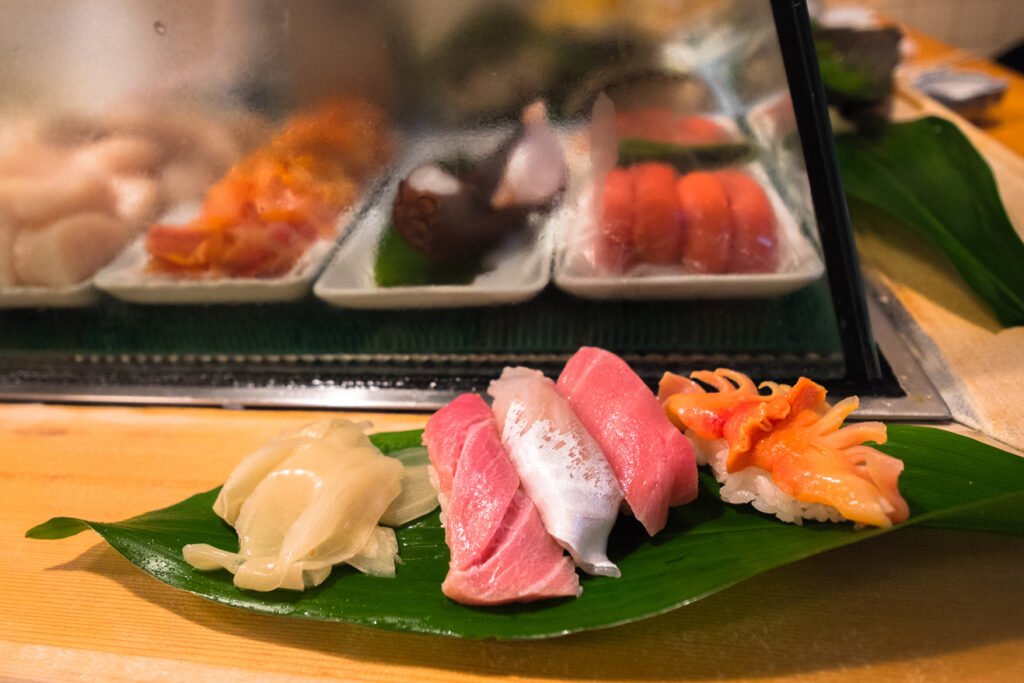
From the sushi favorite Bluefin tuna to more exotic creatures of the ocean, Tsukiji Market really does cover it all. With the highest quality fresh catches all in one place, this market is a fantastic way to gain insight into this gigantic fishing industry. The best part is that after exploring the market, visitors can head to one of the Tokyo sushi stalls or eateries, which offer one of the freshest seafood feasts you will find.
History of Tsukiji Market

The origins of Tsukiji Market actually date back to the beginning of the Edo period when fishermen would bring their catch to the shore to sell to Edo Castle. This was encouraged by the shogunate who invited the fishermen to travel across from Osaka to the city of Edo, which we now know as Tokyo. At this time, the wholesale of fish took place at Nihonbashi Bridge which then developed into an entire market. This market continued to thrive until the Great Kanto Earthquake in 1923 which saw the market move to its current position in Tsukiji.
Visiting Tsukiji Market
One of the highlights of Tsukiji Market is the bustling Tuna Auctions, where restaurant owners gather to bid for the finest Bluefin tuna. As this is a serious business event, there is a restriction on the number of visitors who can watch the auction. Spots are limited each day, so be sure to secure your place early to avoid the long queue. Those who still wish to attend this unique experience will have to arrive by 5:00 in the morning. Head straight to Osakana Fukyu Center, where the first 60 guests will be admitted around 5:25, followed by another 60 people 45 minutes later.
For those who do not wish to wake up early, the wholesale market opens to the public from 9:00. You can enhance your experience and explore Tsukiji Market like a local on our Tsukiji Fish Market Tour. Indulge in an array of traditional delicacies and uncover the rich culinary heritage of Tokyo, guided by an expert passionate about bringing the market’s history and flavors to life. You can also enjoy a full, delicious lunch at the market by joining our Lunch in Tokyo - Tsukiji Fish Market Small Group Food Tour.
The best way to finish off any trip to Tsjukiji is with a delicious sushi breakfast at the surrounding restaurants. These eateries select their produce from the market each morning to create beautiful dishes. The restaurants open around 5:00 in the morning and usually close by midday or until stocks last. Though the set meals are slightly pricey, it will be an unforgettable breakfast.

Since Tsukiji Market is at the center of Tokyo’s thriving seafood industry, there are strict rules that visitors should abide by. Luggage, pets, smoking, and children are strictly prohibited (check out these options to store your luggage in Tokyo). Carts often zip through the narrow lanes, so be aware of your surroundings. Guests should avoid touching anything and stay within the public areas.
How to Get to Tsukiji Market
Take the Oedo Subway line to Tsukiji Shijo Station which is located directly beneath the market. Tsukiji Station on the Hibiya line is just five minutes away and the JR Station Shimbashi is a 15-minute walk. Alternatively, join our guided tour of the Tsukiji market and cooking experience for the ultimate insider experience.
Please note that the location of the inner market will move to Toyoso at the end of 2017. The outer market and surrounding eateries will remain in Tsukiji.
Entrance Times & Fees
Tuna Auction: Two admittance times at 5:25 and 6:15 in the morning (visitors should arrive early as queues often exceed the permitted amount).
Outer Market: 5:00-14:00
Wholesale Area: From 9:00
The market remains closed on Sundays, public holidays, and select Wednesdays.
The general public cannot attend the tuna auction from December through the first two weeks of January.


